
European Automakers Demand Flexibility in 2035 Emission Targets: What’s Next?
Introduction
Europe’s car industry is driving through one of its toughest transitions in history. The European Union has drawn a bold line in the sand: by 2035, the sale of new petrol and diesel cars will be banned, with the goal of cutting emissions and steering toward a net-zero future by 2050. On paper, it’s a visionary step. But on the ground, things look a lot more complicated.
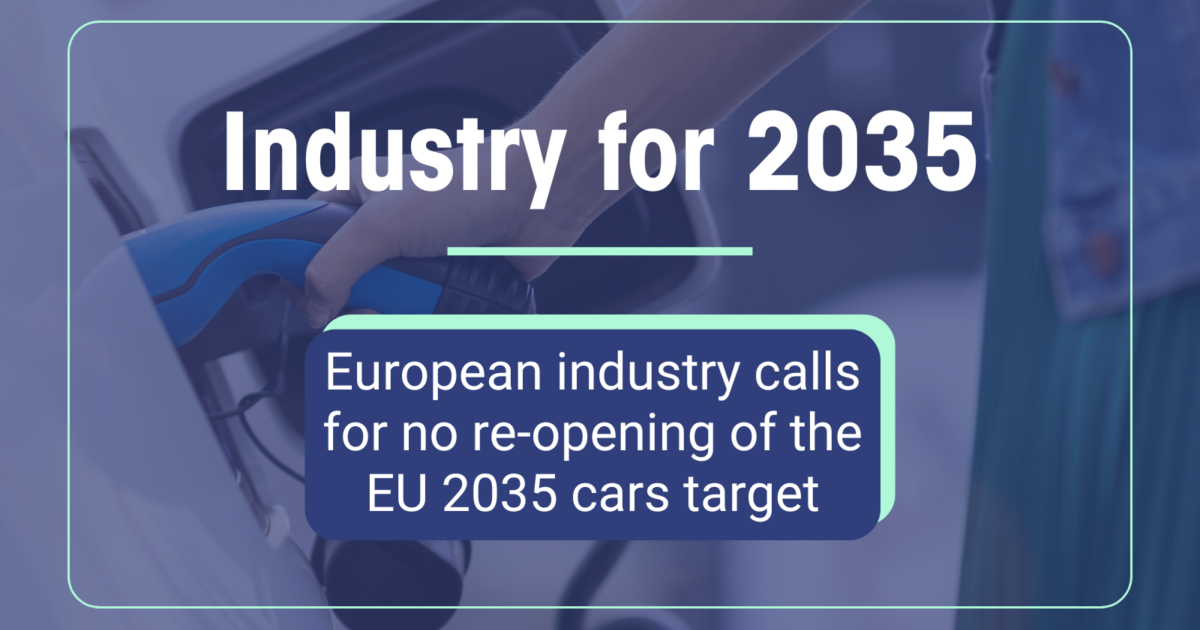
In recent months, major automakers have sounded the alarm, saying the current rules are simply too rigid and unrealistic. They’re not rejecting climate goals—but they are calling for breathing space, more flexible policies, and recognition of other clean technologies beyond battery-electric cars.
So why are automakers pushing back? And what happens next?
Why Automakers Are Worried
Reliance on Asian Batteries
Right now, Europe’s EV ecosystem leans heavily on Asia for battery supply. China, in particular, dominates the mining, refining, and production chain. For European brands, this creates a serious vulnerability—any disruption in supply could slow down the entire EV rollout. Until Europe builds a stronger homegrown battery industry, the 2035 deadline looks tough to meet.
Charging Infrastructure Gaps
Switching millions of drivers to EVs requires one thing above all: chargers everywhere. While cities are gradually adding public charging points, rural areas and highways still face big shortages. For everyday drivers, this lack of infrastructure raises concerns about convenience, travel range, and reliability. Automakers argue that pushing EV adoption without fixing these gaps risks consumer resistance.
High Production Costs
EVs are expensive to make. Batteries remain the single most costly component, and global demand is only driving prices up. Compared with combustion cars, profit margins on EVs are thin. If manufacturers are forced to sell them at lower prices to stay competitive, they’ll take the hit financially. That’s why the industry warns of affordability challenges if the transition moves too fast.
Global Trade Pressures
The problem doesn’t stop at Europe’s borders. U.S. tariffs on European-made EVs are adding financial strain, and competition from cheaper Chinese electric cars is heating up. Automakers fear that without regulatory flexibility, European brands could lose ground in the global market.
What the Industry Is Asking For
Despite their concerns, automakers aren’t trying to scrap climate goals. Instead, they’re asking for a more realistic roadmap. Here’s what’s on their wishlist:
-
Longer compliance periods: Rather than strict yearly targets, they want multi-year windows to balance fleet emissions.
-
Technology neutrality: They argue that EVs shouldn’t be the only path forward. Alternatives like hydrogen fuel, advanced hybrids, and synthetic fuels should count too.
-
Special rules for trucks and buses: Heavy-duty vehicles face bigger hurdles in electrification, so automakers want sector-specific flexibility.
-
Industrial support: They want governments to invest in European battery factories, raw materials, and charging networks, reducing dependence on foreign supply chains.
The EU’s Stance So Far
The European Commission isn’t backing down from its 2035 deadline. But it has shown it’s willing to fine-tune the rules. Earlier this year, it introduced a “banking and borrowing” system, allowing automakers to average their emissions across three years (2025–2027) instead of hitting targets annually. This gives carmakers more room to maneuver without weakening the overall climate goal.
Still, green groups are skeptical. They argue that every concession risks delaying Europe’s climate commitments, especially while China surges ahead in electric mobility. For them, keeping the pressure high is essential to drive faster adoption.
A Crucial Meeting on the Horizon

All eyes are now on September 12, 2025, when European Commission President Ursula von der Leyen will sit down with top auto executives. This meeting could mark a turning point in how the 2035 plan is applied.
Topics likely on the table include:
-
Should hybrids and synthetic fuels be part of the solution?
-
Will deadlines be softened to reflect economic pressures?
-
How much funding will go into Europe’s own battery and charging infrastructure?
Whatever the outcome, it’s clear the conversation will shape not just the future of the auto industry, but Europe’s broader climate strategy.
The Balancing Act: Climate vs. Industry
This debate captures the tension between environmental urgency and economic survival.
-
From the industry side: Automakers warn that without flexibility, Europe risks job losses, factory closures, and losing ground to global rivals.
-
From the environmental side: Activists insist that watering down the 2035 plan could stall climate action and weaken Europe’s leadership in clean mobility.
The truth probably lies somewhere in the middle. Europe needs to decarbonize, but it also needs to protect its industrial base. The challenge is finding a compromise that serves both goals.
What Could Happen Next?

Looking ahead, several scenarios are possible:
-
Slight deadline extensions: The EU may allow more time for compliance while keeping the 2035 target largely intact.
-
Bigger industrial push: Expect stronger incentives for local battery plants, raw material mining, and charging infrastructure.
-
Hybrid solutions: Plug-in hybrids and e-fuels could get more recognition as “bridge” technologies.
-
Strict enforcement: If environmental pressure wins, the EU could refuse further concessions and force automakers to adapt faster.
Conclusion
The fight over Europe’s 2035 emission targets is more than a clash between regulators and automakers—it’s about shaping the continent’s industrial identity and climate future. Car companies aren’t saying “no” to cleaner mobility; they’re saying “not like this, not this fast.”
As negotiations continue, the September 12 talks will be critical in deciding whether Europe chooses a rigid path or a more flexible, technology-neutral approach. Either way, the outcome will leave a lasting mark—not only on the auto industry but also on Europe’s role in leading the global climate transition.
The road to 2035 will be challenging, but how Europe navigates it could determine whether the journey ends in industrial strength and climate success—or in economic setbacks and missed opportunities.
Post a Comment