
Top Car Companies 2025 Investing in EV Battery Recycling
Introduction
The electric vehicle (EV) revolution is no longer just about sleek designs, fast acceleration, or even long driving ranges. In 2025, the focus has shifted toward something equally important—what happens to EV batteries once they reach the end of their life. With millions of electric cars expected to hit the roads worldwide, recycling old batteries has become a top priority for carmakers.
Major automakers are now pouring billions into battery recycling and reuse programs. These initiatives not only reduce waste but also recover valuable minerals like lithium, nickel, and cobalt, which are crucial for manufacturing new batteries. In this article, we’ll explore the leading car companies in 2025 that are investing in EV battery recycling and reshaping the future of sustainable mobility.
Why EV Battery Recycling is a Game-Changer
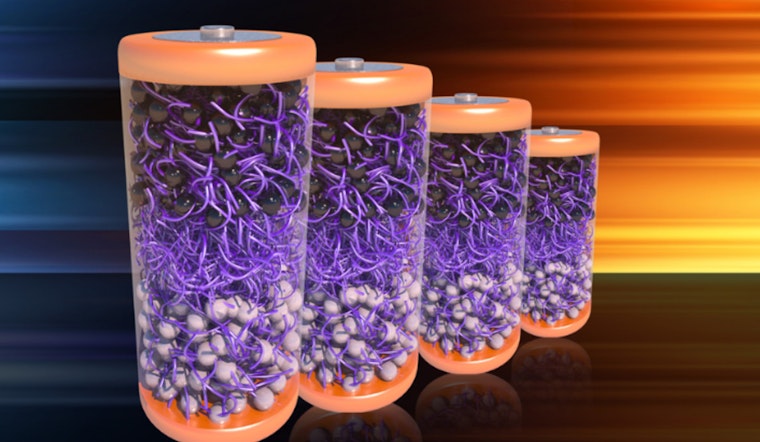
EV batteries are packed with rare materials that are expensive to mine and difficult to source. Recycling helps solve three big challenges:
-
Resource Security – By reusing metals from old batteries, carmakers reduce dependence on global mining operations.
-
Cost Savings – Extracting metals from recycled batteries is often cheaper than mining new ones.
-
Environmental Benefits – Recycling minimizes carbon emissions and prevents harmful waste from entering landfills.
As EV adoption accelerates, recycling is no longer just an environmental responsibility—it’s a business necessity that ensures steady supply chains and supports long-term sustainability.
Top Automakers Leading EV Battery Recycling in 2025
1. Jaguar Land Rover (JLR)
Jaguar Land Rover is making headlines in the UK with its partnership with Mint Innovation, a company using eco-friendly methods to extract metals from used EV batteries. Backed by the UK government’s DRIVE35 program, JLR is working to recycle and reuse materials like lithium and cobalt for future vehicle production.
✅ Why it matters: This initiative ensures JLR’s future electric SUVs and luxury cars are built with a higher percentage of recycled materials, cutting costs and reducing environmental impact.
2. General Motors (GM)
GM has positioned itself as a leader in battery circularity. Through collaborations with Redwood Materials and Li-Cycle, GM is turning end-of-life batteries into resources for both cars and large-scale energy storage. For example, old Ultium batteries are now powering AI data centers in Nevada.
✅ Why it matters: GM’s approach not only supports sustainable EV production but also creates new business opportunities in renewable energy storage.
3. BMW
BMW is doubling down on its circular economy goals. In 2025, it joined hands with SK tes to expand battery recycling across Europe. The company plans to reuse metals from old batteries in its Neue Klasse EV lineup, ensuring a steady flow of recycled materials for future models.
✅ Why it matters: BMW is proving that luxury and sustainability can go hand-in-hand by minimizing its reliance on newly mined materials.
4. Mercedes-Benz
Mercedes-Benz is a front-runner in Europe with its hydrometallurgical battery recycling plant in Germany—the first of its kind on the continent. By working with partners like Redux and Rock Tech Lithium, the automaker is creating a closed-loop system where old batteries directly feed into new production.
✅ Why it matters: This move strengthens Europe’s raw material independence while making Mercedes’ EQ line of EVs more eco-friendly.
5. Toyota

Toyota, famous for pioneering hybrids, is now heavily invested in EV sustainability. It’s collaborating with the U.S. Department of Energy’s Argonne National Lab on advanced recycling technologies and working with Redwood Materials to build a U.S.-based recycling network.
✅ Why it matters: Toyota’s focus on recycling supports the development of cheaper and more efficient solid-state batteries, expected to power its next-generation EVs.
6. Volkswagen (VW)
Volkswagen is pushing hard toward a closed-loop battery cycle by 2030. Its Salzgitter plant in Germany recovers over 95% of valuable raw materials from old batteries. In China, VW has teamed up with Huayou Recycling to reuse old batteries for stationary energy storage.
✅ Why it matters: VW’s large-scale recycling efforts strengthen its position as one of the world’s biggest EV producers, while ensuring sustainability across markets.
7. Tesla
Tesla has always focused on keeping its supply chain independent, and recycling is a key part of that vision. In Nevada, Tesla runs a recycling facility closely linked to Redwood Materials, aiming for a closed-loop system where old Tesla batteries become new ones.
✅ Why it matters: Tesla’s strategy not only supports EV production but also fuels its energy products like Powerwall and Megapack.
8. Lucid Motors
Luxury EV brand Lucid is working with Redwood Materials to recover high-grade metals from its advanced batteries. This ensures its premium electric sedans are supported by a sustainable battery lifecycle.
✅ Why it matters: Lucid is proving that premium EVs can also prioritize recycling and sustainability.
9. CATL (Contemporary Amperex Technology Co.)
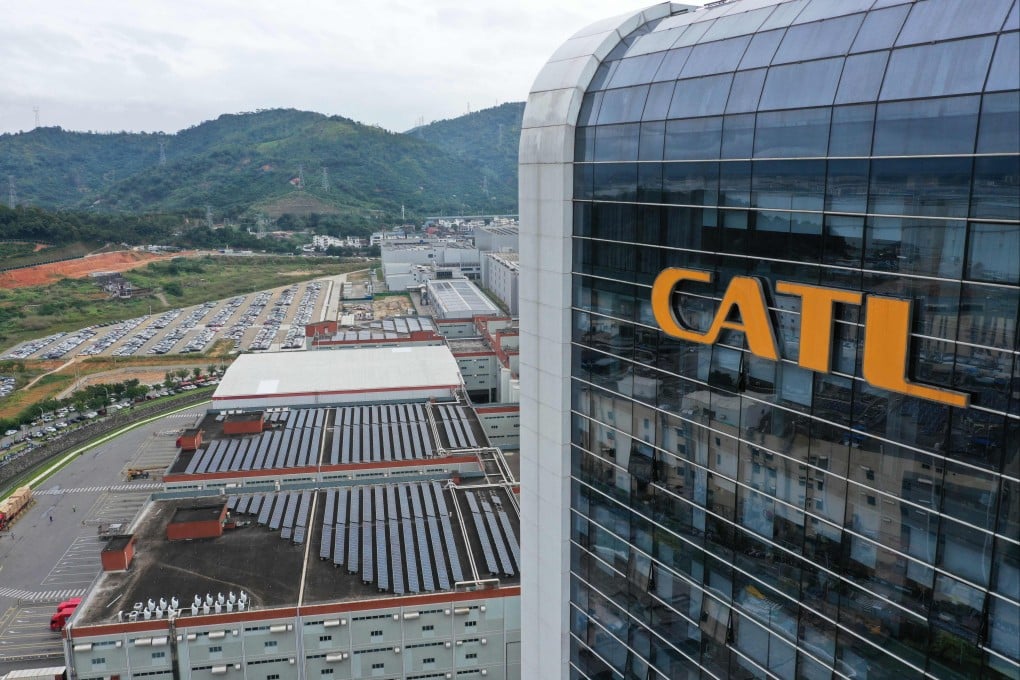
As the world’s largest battery maker, CATL is a heavyweight in recycling. In 2025, it invested more than $3 billion in new recycling facilities in China. It also introduced battery-swapping and recycling solutions in Europe, boasting recovery rates close to 100%.
✅ Why it matters: CATL’s scale gives it a unique advantage—its recycling programs directly reduce raw material shortages across the global EV industry.
10. Other Key Players
-
Nissan – Expanding its 4R Energy program to give old Leaf batteries a second life in grid storage.
-
Hyundai & Kia – Building recycling systems in South Korea and Europe.
-
BYD – Strengthening LFP battery recycling projects in China.
-
Ford – Partnering with Redwood and other recyclers to recover valuable materials in North America.
Market Outlook
The EV battery recycling market is set for explosive growth. Analysts predict it will soar from $0.54 billion in 2024 to $23.7 billion by 2035, growing at a staggering CAGR of 40%.
This growth is fueled by:
-
Strict regulations in Europe, China, and the U.S. requiring recycling targets.
-
Corporate sustainability goals aligned with net-zero commitments.
-
Economic advantages, as recycled materials are cheaper and more stable than mined ones.
By 2030, recycled materials are expected to become a major
Post a Comment