
Connected Cars and Smart Mobility: Shaping the Future of Transportation

Introduction
The way we travel is changing faster than ever before. With the rise of connected cars and smart mobility solutions, transportation is moving beyond traditional driving into a world powered by connectivity, automation, and sustainability. Today, vehicles aren’t just machines that get us from point A to B—they are intelligent systems that communicate with each other, with the roads, and even with smart city infrastructure.
This article explores how connected cars are redefining mobility, what technologies drive this revolution, and how smart mobility is building safer, cleaner, and more efficient transportation networks worldwide.
What Are Connected Cars?
A connected car is a vehicle that’s linked to the internet, equipped with sensors and digital systems that allow it to exchange information in real-time. Unlike regular vehicles, connected cars can “talk” to other cars, road infrastructure, and cloud platforms. This makes driving safer, smarter, and more convenient.
Examples of connected car features include:
-
Real-time navigation and traffic updates so drivers avoid congested routes.
-
Over-the-air (OTA) software updates that keep the vehicle secure and up to date.
-
Predictive maintenance systems that alert drivers about potential issues before they happen.
-
V2X communication (Vehicle-to-Everything) where cars interact with traffic lights, other vehicles, and even pedestrians for safer driving.
-
Smart infotainment for music, calls, and apps integrated into the car’s dashboard.
What Is Smart Mobility?
Smart mobility is a broader concept that goes beyond just cars. It combines connected vehicles, electric mobility, public transport, ride-sharing, and data-driven traffic systems to create an efficient transportation ecosystem. The aim is to reduce congestion, lower carbon emissions, and make urban mobility more affordable and accessible.
Key components of smart mobility include:
-
Mobility-as-a-Service (MaaS): One platform that integrates buses, trains, ride-hailing, and car-sharing.
-
Autonomous vehicles: Self-driving technology that reduces human error on roads.
-
Shared mobility services: Carpooling, e-scooters, and bike-sharing that reduce private car ownership.
-
Electric vehicles (EVs): Clean energy alternatives that reduce pollution.
-
Smart traffic systems: AI-powered signals and data platforms that monitor and manage traffic flow.
Technology Behind Connected Cars and Smart Mobility
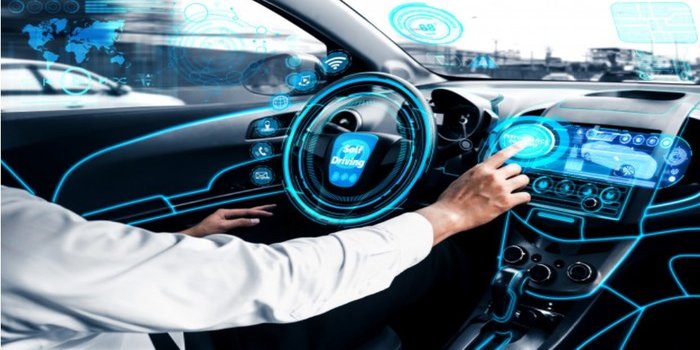
Several cutting-edge technologies are shaping the future of mobility:
-
5G Networks – Fast and reliable connections enable real-time communication, which is essential for autonomous driving and accident prevention.
-
Internet of Things (IoT) – Cars are embedded with sensors that track data like speed, road conditions, and vehicle health.
-
Artificial Intelligence (AI) – AI powers self-driving systems, predictive maintenance, and personalized driving assistance.
-
Cloud Computing – Data is stored and analyzed in the cloud, enabling seamless updates and large-scale traffic analysis.
-
Blockchain Security – Protects car data and prevents cyberattacks by ensuring secure transactions and information exchange.
Benefits of Connected Cars and Smart Mobility
The adoption of smart mobility brings several advantages for drivers, cities, and the environment:
-
Improved Road Safety: Vehicles can warn drivers about potential accidents or hazards.
-
Reduced Traffic Congestion: Smart routing and connected infrastructure reduce unnecessary delays.
-
Eco-Friendly Transportation: Electric and shared mobility options lower emissions.
-
Lower Costs for Drivers: Predictive maintenance prevents costly breakdowns, while ride-sharing reduces expenses.
-
Enhanced Driving Experience: Personalized settings, AI assistants, and infotainment make travel more enjoyable.
Challenges in Implementation
Despite the benefits, the road to connected mobility isn’t without hurdles:
-
Cybersecurity risks: Hackers could target connected vehicles.
-
High infrastructure costs: Building 5G networks, EV charging stations, and smart traffic systems requires massive investment.
-
Regulation and laws: Governments need to update policies around autonomous driving, data privacy, and insurance.
-
Consumer acceptance: Many people still don’t fully trust self-driving cars or connected systems.
-
Cost of adoption: New technologies make vehicles more expensive in the short term.
Global Trends in Connected Cars and Smart Mobility (2025 and Beyond)

-
Growth of Autonomous Vehicles – Companies like Tesla, Waymo, and Baidu are testing driverless fleets.
-
Integration of EVs with Smart Grids – Electric vehicles will connect directly with renewable energy systems.
-
Expansion of Smart Cities – Cities such as Singapore and Dubai are leading the way with AI-driven traffic management.
-
Shift to Mobility Subscriptions – Instead of owning cars, more people will choose flexible subscription-based transport.
-
Data-Driven Decisions – Governments and businesses will rely on mobility data to design better road systems.
Future Outlook
By 2030, most new vehicles are expected to be internet-connected. Cities will adopt smarter transport infrastructure, and the balance will shift from personal car ownership to shared, electric, and connected mobility. The long-term vision is a world where cars, buses, trains, and even bicycles operate in harmony, powered by data and clean energy.
Conclusion
The future of transportation is not just about faster cars—it’s about smarter mobility. Connected cars and intelligent mobility solutions will create safer roads, cleaner air, and more efficient cities. While challenges like cybersecurity, costs, and regulations remain, the trend is clear: the next decade will be defined by vehicles that think, connect, and move smarter than ever before.
Post a Comment