
Sustainable Automobiles: Paving the Road to a Greener Tomorrow

Introduction
The world is changing rapidly, and so is the way we travel. For more than a century, traditional cars powered by gasoline have dominated our roads, but they also brought along serious problems—rising carbon emissions, air pollution, and the looming threat of climate change. Today, the focus is shifting toward sustainable automobiles, vehicles that are designed not only to get us from one place to another but also to protect the planet we live on.
In simple terms, sustainable automobiles are cleaner, smarter, and more efficient. They run on electricity or hydrogen, use eco-friendly materials, and are built to minimize their impact on the environment. Let’s dive into what makes these vehicles special, why they matter, and how they’re shaping the future of mobility.
What Do We Mean by Sustainable Automobiles?
A sustainable automobile is more than just an electric car. It’s a vehicle created with the idea of reducing harm to the environment at every stage—manufacturing, daily use, and recycling. Unlike conventional cars that rely heavily on fossil fuels, sustainable vehicles focus on renewable energy and efficiency.
This includes:
-
Electric cars (EVs): Powered by batteries and producing zero emissions.
-
Hybrid cars: Mixing fuel engines with electric motors for better efficiency.
-
Hydrogen fuel cell cars: Running on hydrogen and releasing only water vapor.
-
Eco-designed cars: Built with recyclable and renewable materials.
Why Are Sustainable Cars Important?
-
Cutting Carbon Emissions: The transportation industry is one of the biggest polluters, responsible for nearly a quarter of global CO₂ emissions. Cleaner vehicles can make a big difference.
-
Better Energy Use: Electric motors are several times more efficient than traditional engines.
-
Healthier Cities: With zero exhaust fumes, EVs reduce smog and improve air quality.
-
Economic Growth: Green mobility creates jobs in clean energy, battery technology, and recycling industries.
-
Future-Proof Travel: Fossil fuels are limited. Investing in renewable energy-powered vehicles ensures long-term sustainability.
Innovations Powering Sustainable Automobiles
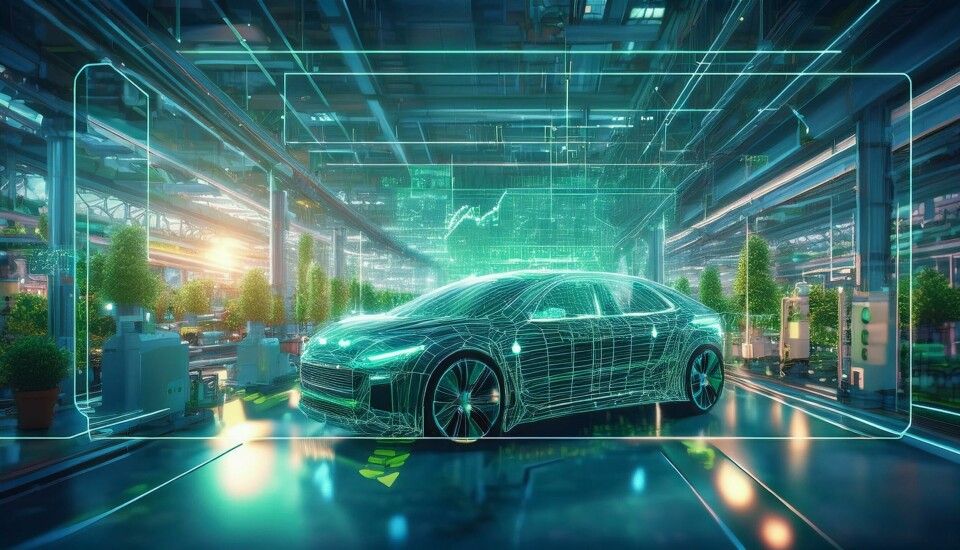
1. Electric Vehicles (EVs)
EVs are leading the green revolution. With no tailpipe emissions and cheaper running costs, they’re becoming increasingly popular worldwide. Brands like Tesla, BYD, and Volkswagen are pushing the boundaries by offering EVs with longer range and faster charging.
2. Hydrogen Fuel Cell Cars
Hydrogen cars may not be as common as EVs yet, but they hold huge potential. They generate electricity using hydrogen and release only water vapor. Models like the Toyota Mirai and Hyundai Nexo are early examples of this clean technology.
3. Smarter Batteries
The battery is the powerhouse of any EV. Innovations such as solid-state batteries, sodium-ion, and LFP (Lithium Iron Phosphate) are making EVs safer, cheaper, and more efficient. Recycling programs are also being developed to reuse old batteries, reducing waste.
4. Green Manufacturing
Automakers are rethinking not just how cars run but also how they are made. Recycled metals, plant-based plastics, and natural fibers are now being used in car production. BMW’s i Vision Circular, for instance, is designed entirely from recycled materials.
5. Smart Mobility and AI
Technology is also making cars smarter. AI-driven systems improve energy use, while ride-sharing and autonomous driving help reduce the overall number of cars on the road, cutting traffic and emissions.
Benefits of Sustainable Automobiles
-
For the Environment: Lower emissions, less noise, and reduced reliance on fossil fuels.
-
For Drivers: Lower fuel costs, government incentives, and fewer maintenance issues compared to gas-powered cars.
-
For Society: Cleaner air, healthier cities, and quieter streets.
-
For Technology: Faster innovation in renewable energy, batteries, and AI systems.
The Challenges Ahead
Of course, the road to sustainability isn’t without bumps. Some of the biggest challenges include:
-
Charging Infrastructure: Many areas still lack enough charging stations for EVs.
-
High Battery Costs: Though prices are falling, advanced batteries are still expensive.
-
Range Anxiety: Many drivers worry about running out of charge during long trips.
-
Hydrogen Availability: Hydrogen fueling stations are rare compared to gas stations.
-
Battery Recycling: Large-scale recycling systems are still being developed.
Solving these issues requires global cooperation, supportive government policies, and consistent innovation.
The Future of Sustainable Cars

Looking ahead, the future of automobiles looks exciting:
-
Rapid EV Adoption: By 2030, more than half of all new cars sold globally are expected to be electric.
-
Affordable Options: Automakers are working on budget-friendly EVs for emerging markets.
-
Ultra-Fast Charging: Next-generation batteries could cut charging times to just a few minutes.
-
Carbon-Neutral Factories: Automakers aim to produce cars without leaving a carbon footprint.
-
Integration with Smart Cities: Cars will connect with renewable energy grids, making transportation part of a larger sustainable ecosystem.
Best Sustainable Cars in 2025
-
Tesla Model 3 – Popular EV with excellent range and affordability.
-
BYD Dolphin – Compact, efficient, and budget-friendly.
-
Toyota Mirai – A pioneer in hydrogen fuel cell technology.
-
Hyundai Ioniq 6 – Stylish EV with advanced aerodynamics.
-
BMW i Vision Circular – A fully recyclable concept car.
Conclusion
Sustainable automobiles are more than just a trend—they’re the future of mobility. By cutting emissions, improving efficiency, and embracing renewable energy, these vehicles represent a vital step toward a cleaner and healthier world.
The responsibility, however, doesn’t just lie with automakers or governments. As consumers, choosing greener options today can help speed up the shift to a sustainable tomorrow. Whether it’s driving an EV, supporting recycling programs, or simply spreading awareness, every action brings us closer to building a transportation system that benefits both people and the planet.
Post a Comment