
EV Technology 2025: Shaping the Future of Transportation

Electric vehicles (EVs) are no longer futuristic concepts—they are rapidly becoming the new normal in the global auto industry. By 2025, EV technology is expected to hit new milestones, bringing cleaner, smarter, and more affordable mobility to millions of people worldwide. Governments, automakers, and tech innovators are working side by side to push the transition away from fuel-powered engines toward sustainable, electric-driven transportation.
In this article, we’ll break down the latest EV trends in 2025, including new battery breakthroughs, charging infrastructure, autonomous driving, and what it all means for drivers and the planet.
1. The Global Push Toward EVs
Climate concerns, strict emission laws, and consumer demand are fueling the EV boom. Almost every major car company—from Tesla and BYD to Volkswagen and Hyundai—has rolled out multiple EV models to stay competitive.
According to global market forecasts, by 2025, EVs are expected to make up 30% of all new car sales, with around 25 million units sold annually. That means nearly one in every three cars hitting the roads will be electric. This massive shift is supported by government incentives, falling battery costs, and public awareness about the benefits of cleaner transport.
2. Game-Changing Battery Innovations
The battery is the lifeblood of any EV, and 2025 is shaping up to be a breakthrough year:
-
Solid-State Batteries: These next-gen batteries promise higher energy density, longer range, and faster charging. Companies like Toyota and QuantumScape are racing to bring them to market.
-
Sodium-Ion Batteries: A cost-effective alternative to lithium, sodium-ion batteries are being developed to power affordable EVs, especially in emerging markets.
-
Improved LFP Batteries: Safer, cheaper, and longer-lasting, lithium iron phosphate (LFP) batteries are already appearing in budget-friendly EVs.
By 2025, battery costs are projected to fall below $100 per kWh, a tipping point that will make EVs as affordable—or even cheaper—than gas-powered cars.
3. Faster and Smarter Charging
One of the biggest barriers to EV adoption has been charging speed and availability. That’s changing fast:
-
Ultra-Fast Chargers: Adding 300 km of range in just 10–15 minutes is becoming possible with next-gen chargers.
-
Wireless Charging: Imagine parking your car and it charges automatically without plugging in—wireless charging pads are bringing that convenience closer.
-
Smart Grids: EVs are increasingly powered by renewable energy, with smart grids balancing electricity demand between homes, businesses, and vehicles.
Governments worldwide, especially in the U.S., China, and Europe, are investing heavily in charging stations to make range anxiety a thing of the past.
4. Cars Run by Software
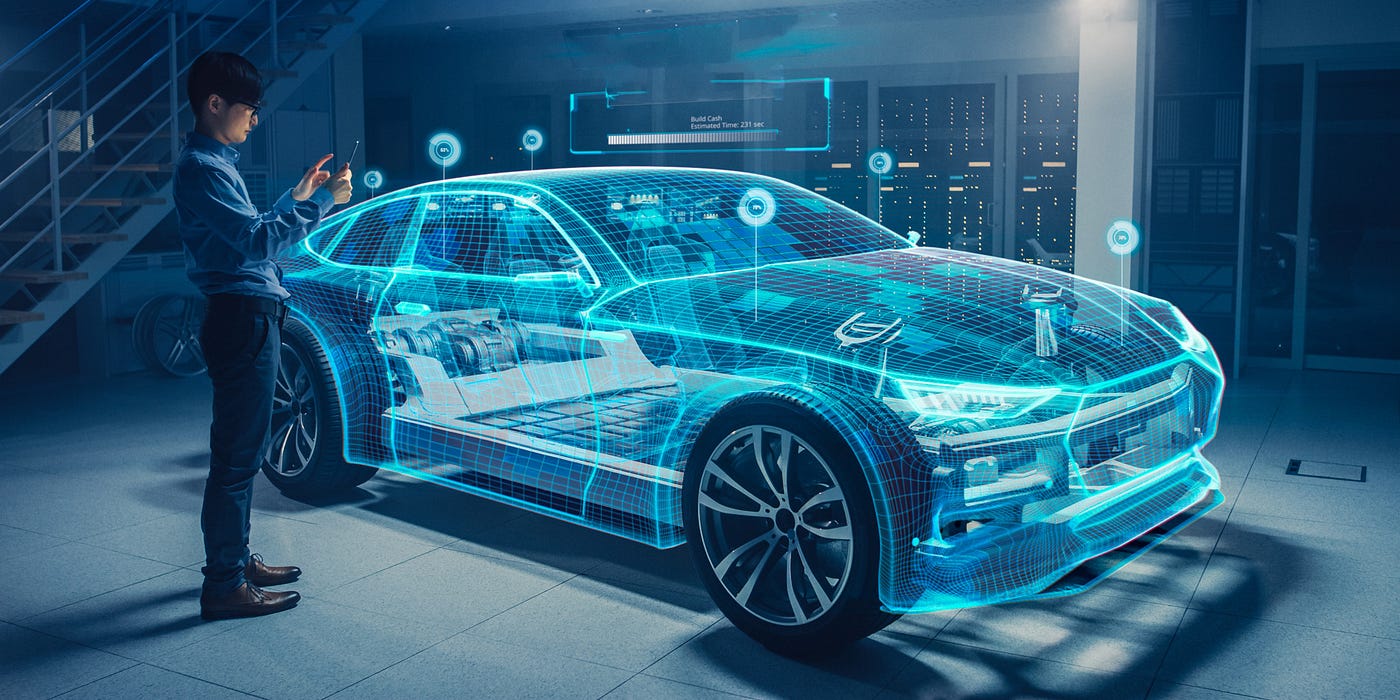
In 2025, EVs are more than just vehicles—they’re rolling computers:
-
Over-the-Air Updates: Like smartphones, cars can now get software upgrades remotely.
-
AI Monitoring: Artificial intelligence tracks vehicle health, predicting issues before they turn into costly repairs.
-
Custom Driving Modes: Cars are becoming more personalized, adapting to driver habits and preferences.
Tesla may have started the trend, but nearly every EV maker now offers some version of smart, connected software.
5. Autonomy and Connectivity
Self-driving features are no longer science fiction. By 2025:
-
Many EVs will reach Level 3 or Level 4 autonomy, meaning they can handle most driving tasks on highways or in cities with minimal human input.
-
Vehicle-to-Vehicle (V2V) Communication will let cars talk to each other and traffic systems, improving safety and efficiency.
-
With 5G technology, data transfer will be faster than ever, supporting real-time decision-making for autonomous EVs.
This blend of electrification and automation is reshaping how we think about commuting and city transport.
6. Sustainability and Recycling
A big question around EVs has been: what happens to old batteries? By 2025, that concern is being addressed head-on:
-
Recycling Programs: Companies like Redwood Materials and Li-Cycle are recovering lithium, cobalt, and nickel from used batteries.
-
Second-Life Uses: Old EV batteries are repurposed as storage for solar and wind energy.
-
Green Manufacturing: Automakers are setting up carbon-neutral factories and eco-friendly supply chains.
The goal is not just zero emissions on the road but also sustainability across the full EV lifecycle.
7. Making EVs Affordable
Until recently, EVs were seen as expensive luxury items. But in 2025, that’s changing fast. Thanks to lower battery costs and large-scale production, many EVs are now priced under $25,000. Combined with government rebates, cheaper maintenance, and no fuel costs, EVs are becoming accessible to middle-class families and even first-time car buyers.
8. EV Growth in Emerging Markets
The EV wave isn’t limited to developed countries. Nations like India, Brazil, and parts of Africa are adopting EVs at record speed, especially affordable two-wheelers and electric buses. This shift not only improves air quality but also reduces dependence on imported oil.
China, however, remains the global leader, with homegrown companies like BYD and NIO dominating both local and international EV markets.
9. Tying EVs to Renewable Energy

EV technology in 2025 goes hand-in-hand with clean energy. More households are pairing EVs with solar panels, creating a personal ecosystem of renewable charging.
Even more exciting is Vehicle-to-Grid (V2G) tech, where EVs act like giant batteries, supplying power back to the grid when demand spikes. This helps stabilize energy supply and gives car owners a chance to earn money.
10. Looking Ahead
By 2025, EVs are no longer a futuristic dream—they’re becoming the standard choice. From advanced batteries and ultra-fast charging to autonomous features and eco-friendly manufacturing, the auto industry is being transformed.
For drivers, this means cleaner, smarter, and more cost-effective transportation. For the planet, it means lower emissions and a step closer to sustainable living.
Conclusion
The year 2025 is a landmark in EV technology. With innovation in batteries, charging, connectivity, and sustainability, electric mobility is setting the stage for the future of transportation. The cars of tomorrow are here today—and they’re electric.
Post a Comment