
Electric Cars: The Road to a Cleaner and Smarter Future

Electric cars have moved from being a futuristic idea to a mainstream reality. With fuel prices rising, climate change becoming a global concern, and technology advancing faster than ever, more drivers are choosing electric vehicles (EVs) as their next car. Automakers, governments, and tech companies are all pushing forward to make EVs more affordable, efficient, and convenient for everyday use.
In this article, we’ll explore how electric cars work, why they are becoming popular, the benefits and challenges they bring, and what the future of this exciting technology looks like.
1. What Exactly Are Electric Cars?
Electric cars are vehicles powered by rechargeable batteries and electric motors instead of traditional petrol or diesel engines. Unlike hybrids, which combine fuel with electricity, pure electric cars run completely on battery power.
Although EVs might feel like a new trend, the idea has been around for more than a century. What makes them more practical today is progress in battery technology, affordability, and charging infrastructure.
2. Why Electric Cars Are Gaining Popularity
The shift toward electric cars is happening for many reasons:
-
Cleaner for the planet: EVs produce no exhaust fumes, cutting air pollution and greenhouse gases.
-
Cheaper to run: Electricity costs less than petrol or diesel, and EVs require less maintenance.
-
Government support: Many countries offer tax credits, rebates, and incentives to promote adoption.
-
Better technology: Longer driving ranges and faster charging make EVs more practical than ever.
With these benefits, electric cars are quickly moving from luxury products to everyday vehicles.
3. How Do Electric Cars Work?
The key part of an electric car is its battery pack, usually lithium-ion, which stores energy. That energy powers an electric motor, which drives the wheels.
One feature that makes EVs especially efficient is regenerative braking. When the driver slows down, the system captures energy and stores it back in the battery.
Charging is flexible—drivers can plug in at home overnight or use public charging stations for a quicker top-up. Depending on the charger type, it can take anywhere from half an hour to several hours.
4. Different Types of Electric Cars
There’s more than one kind of electric car:
-
Battery Electric Vehicles (BEVs): Fully electric, no fuel engine (e.g., Tesla Model 3).
-
Plug-in Hybrids (PHEVs): Use both electricity and fuel, offering flexibility (e.g., Toyota Prius Prime).
-
Hybrids (HEVs): Run mainly on fuel but include a battery boost for efficiency (e.g., Honda Insight).
-
Fuel Cell Vehicles (FCEVs): Powered by hydrogen fuel cells (e.g., Toyota Mirai).
BEVs are the most popular option for drivers who want to completely avoid fuel use.
5. Advantages of Electric Cars

EVs bring a long list of advantages over traditional vehicles:
-
Environmentally friendly – they reduce dependence on fossil fuels.
-
Smooth and quiet – no engine noise and fewer vibrations.
-
Quick acceleration – instant torque gives EVs powerful performance.
-
Cost savings – electricity and maintenance are much cheaper than fuel and oil changes.
-
Future-ready – as petrol cars are phased out, EVs are the smarter long-term choice.
6. Challenges Electric Cars Still Face
Of course, EVs are not perfect. Some of the main challenges include:
-
High purchase price – even though costs are falling, EVs are still pricier upfront.
-
Charging availability – some regions lack enough charging stations.
-
Limited driving range – while improving, some EVs can’t match fuel cars on long trips.
-
Charging time – even fast charging takes longer than filling a fuel tank.
The good news is that these barriers are shrinking as technology advances and governments invest in infrastructure.
7. Battery Technology: The Heart of EVs
Battery innovation is driving the future of electric cars:
-
Lithium-ion batteries dominate today’s EV market.
-
Solid-state batteries (expected soon) will provide longer range and safer, faster charging.
-
Sodium-ion batteries could reduce costs further by replacing expensive materials like lithium.
As battery prices continue to fall, EVs will soon cost the same—or even less—than traditional cars.
8. Charging Networks Are Expanding
A strong charging network is vital for EV adoption, and progress is happening fast:
-
Level 1 (Home Chargers): Slow but convenient for overnight use.
-
Level 2 (Public Chargers): Faster, found in offices, shopping centers, and parking lots.
-
DC Fast Chargers: Add hundreds of kilometers of range in less than 30 minutes.
China leads the world with millions of public charging stations, while the U.S. and Europe are rapidly expanding their networks too.
9. Electric Cars and Clean Energy
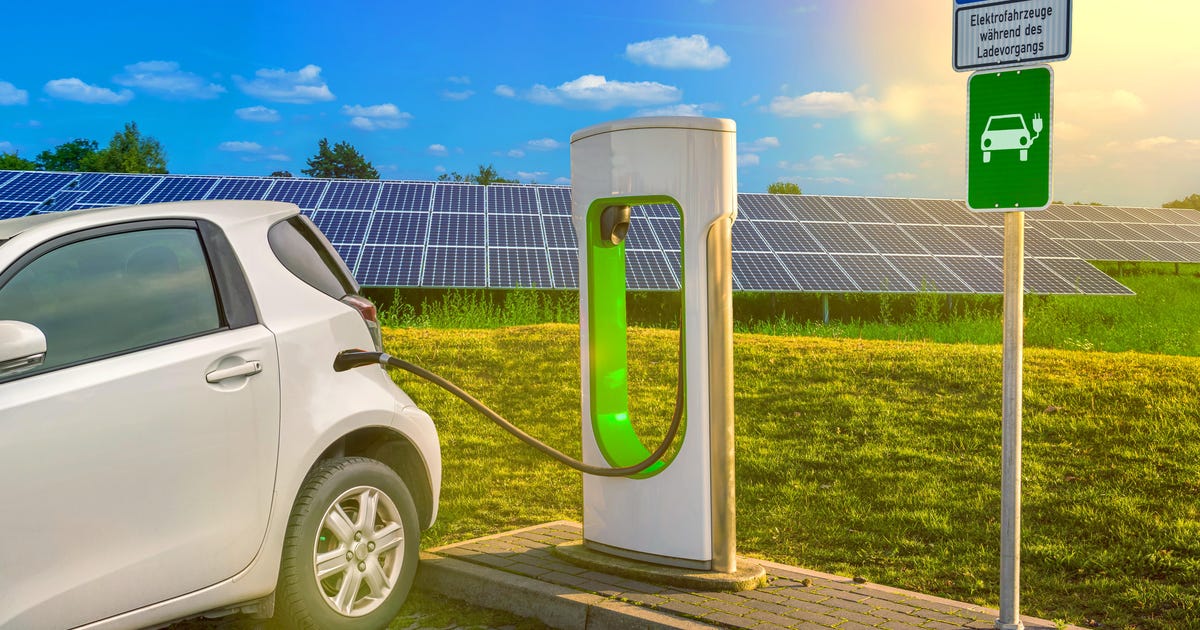
EVs go hand-in-hand with renewable power. Many drivers are pairing their cars with home solar panels, creating a clean loop of charging.
With Vehicle-to-Grid (V2G) technology, EVs can even send electricity back to the grid when demand is high. This helps stabilize power supplies and gives owners extra income opportunities.
10. What the Future Looks Like
The road ahead for electric cars is exciting:
-
EVs are expected to dominate new car sales by 2030.
-
Prices will continue to drop, making them affordable for everyone.
-
Self-driving features will become more common.
-
Automakers will build cars in carbon-neutral factories.
-
Consumers will have EV choices in every category—from small city cars to trucks and SUVs.
The transformation of the car industry is already underway, and electric vehicles are at the center of it.
Conclusion
Electric cars are no longer just a vision of the future—they are here, and they’re changing the way we move. They’re cheaper to run, cleaner for the planet, and packed with advanced technology that makes driving more enjoyable.
Yes, challenges like charging infrastructure and battery costs remain, but solutions are arriving fast. For drivers, EVs represent freedom from fuel prices and a smarter way to travel. For the world, they represent progress toward a greener, more sustainable future.
The electric revolution has begun—and the future of driving is electric.
Post a Comment