
Autonomous Vehicles 2025: Driving Into the Future of Mobility

Introduction: The Year Self-Driving Becomes Real
A decade ago, self-driving cars were mostly headlines and concept videos. Fast forward to 2025, and autonomous vehicles (AVs) are no longer futuristic dreams—they’re rolling on our streets. From Waymo’s robotaxis in U.S. cities to autonomous trucks crossing highways, the transportation world is shifting toward a driverless future.
Autonomous vehicles—also known as driverless cars—use artificial intelligence, sensors, and advanced mapping to move without a human behind the wheel. And while many people still imagine them as prototypes, the reality is that the AV industry has entered a rapid growth phase in 2025, changing how we think about mobility.
A Market on the Fast Track
The numbers tell the story: analysts estimate the autonomous vehicle market in 2025 at around $280–$428 billion. Even more exciting, experts predict it could climb past $4 trillion within the next decade.
What’s fueling this growth?
-
Robotaxi services are popping up in more cities every month.
-
Driverless trucks are beginning to reshape global logistics.
-
Smart city technology is making it easier to integrate AVs into public life.
Add in the rise of electric vehicles (EVs), AI-powered navigation, and 5G connectivity, and it’s clear why autonomous cars are becoming one of the most talked-about sectors in tech and transport.
Robotaxis: From Testing to Reality
If there’s one area where autonomy is most visible in 2025, it’s robotaxis. Companies like Waymo, Tesla, Zoox, and WeRide are now competing to dominate the ride-hailing industry with driverless cars.
-
Waymo is already running fully autonomous rides in San Francisco, Los Angeles, and Phoenix.
-
Tesla launched a pilot robotaxi service in Austin, with expansion plans across the U.S. by 2026.
-
Zoox, Amazon’s AV company, is testing futuristic bi-directional shuttles in Las Vegas.
For riders, this means cheaper rides, reduced traffic, and lower emissions. For cities, it means smarter, safer transportation networks. With projections of 90% growth in the robotaxi market by 2030, this sector is leading the charge.
Autonomous Trucks: Quietly Transforming Logistics
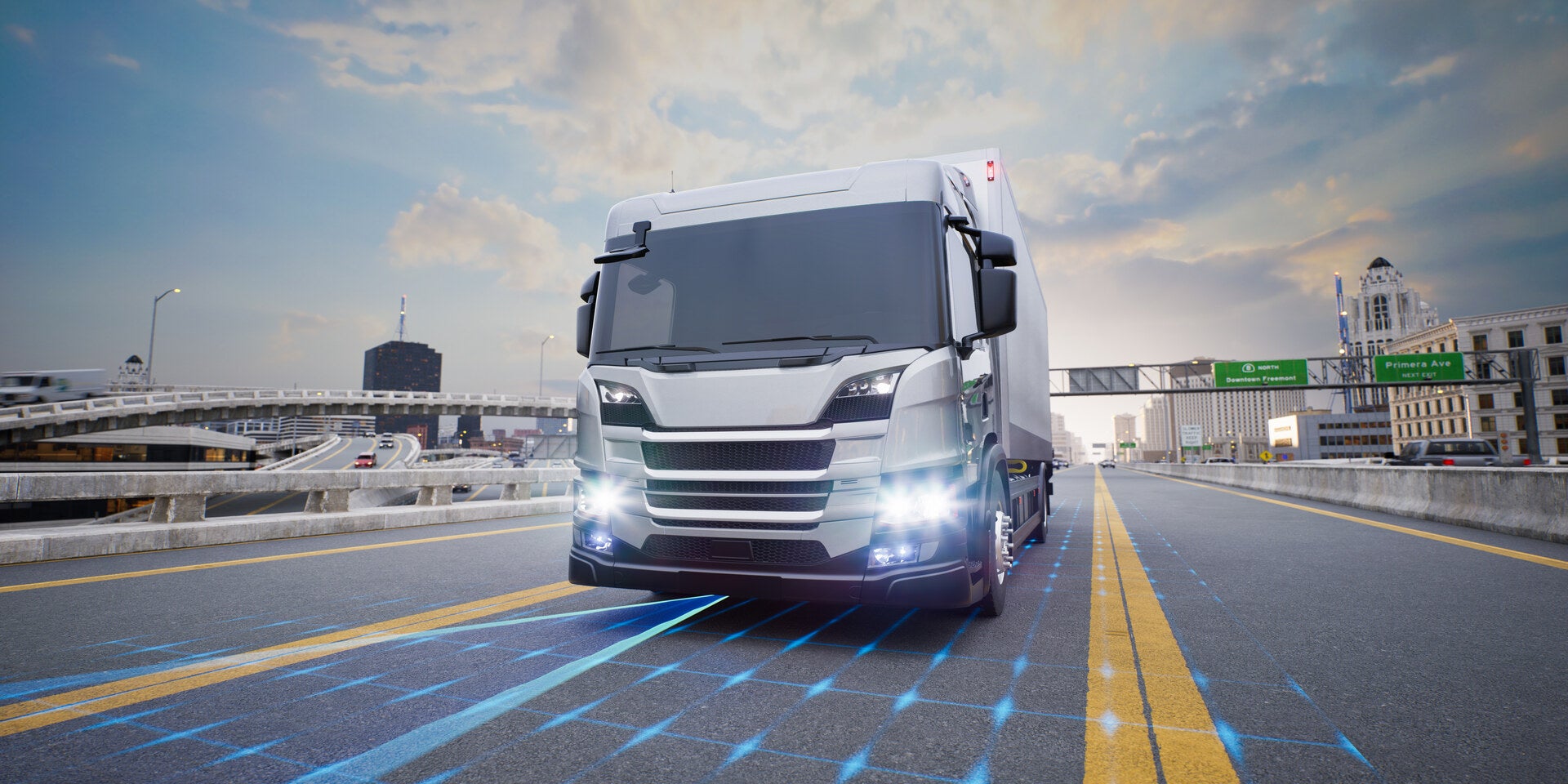
While robotaxis grab attention, the real economic revolution may come from trucks. Autonomous trucking is expanding rapidly in 2025, especially in freight and long-haul delivery.
-
Aurora has partnered with logistics firms to deploy driverless trucks in commercial operations.
-
TuSimple is running autonomous highway routes, cutting delivery times significantly.
-
These trucks not only reduce fuel costs and emissions but also help solve the global driver shortage.
By 2030, experts believe autonomous trucking will become a core part of supply chains, making goods cheaper and deliveries faster.
The Technology Behind the Wheel
The progress we see in 2025 wouldn’t be possible without breakthroughs in technology. Modern AVs rely on a combination of AI and hardware to safely navigate roads:
-
Artificial Intelligence (AI): Learns from millions of driving miles and makes split-second decisions.
-
LiDAR and Radar Sensors: Provide a 360° view of the road, detecting pedestrians, vehicles, and obstacles.
-
5G Connectivity & V2X Communication: Allow cars to talk to each other and even to traffic lights.
-
Big Data Analytics: Process enormous amounts of driving data to improve algorithms.
-
Cybersecurity Systems: Keep vehicles safe from hackers in a highly connected world.
Thanks to these technologies, cars are moving closer to Level 4 autonomy, where they can operate without human drivers in most situations.
The Role of Governments and Regulation
Technology alone isn’t enough—policy and regulation are playing a big role in shaping AV adoption.
-
In the U.S., new laws such as the Autonomous Vehicle Safety Data Act require companies to report any accidents.
-
Europe is focusing heavily on data security, safety standards, and ethical use of AI.
-
China is aggressively pushing forward, allowing robotaxi fleets to operate commercially in several cities.
Although global policies differ, the trend is clear: governments want to enable AV innovation while keeping safety first.
Challenges on the Road Ahead

Even with all the excitement, autonomous vehicles still face major hurdles in 2025:
-
Public Trust – Many people remain skeptical about riding in a car without a driver.
-
Urban Complexity – Busy streets, unpredictable weather, and pedestrians are difficult for AI to handle.
-
High Development Costs – Billions are being invested, but returns take time.
-
Cybersecurity Risks – Protecting AVs from hacking is an ongoing challenge.
These challenges mean that while AVs are advancing fast, human drivers won’t disappear overnight.
Looking Ahead: The Future Beyond 2025
So, what comes next for autonomous vehicles?
-
Robotaxis will likely become a common part of city transportation in the next 5–7 years.
-
Driverless trucks could dominate highways by 2030, reshaping logistics worldwide.
-
Personal autonomous cars will evolve slowly, with semi-autonomous features (Level 2+/3) dominating until full autonomy is proven safe and affordable.
-
Smart cities will increasingly integrate AVs into traffic management, EV charging, and public transport.
By 2035, industry experts believe that nearly half of all new vehicles could be autonomous, marking one of the biggest transformations in the history of transportation.
Post a Comment