
Electric Scooters: The Future of Smart and Green Commuting
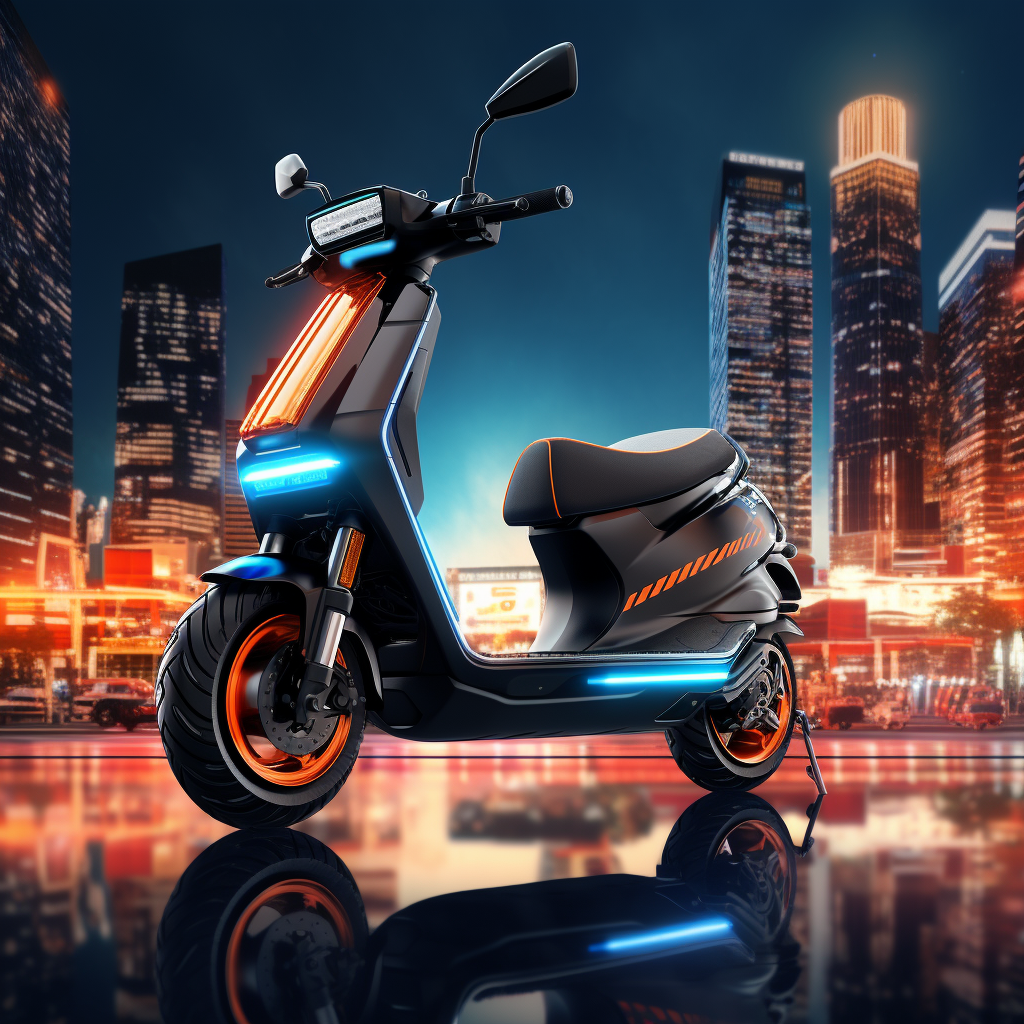
Getting around in busy cities has always been a challenge. With traffic jams, rising fuel prices, and growing concerns about air pollution, people everywhere are searching for smarter and greener ways to travel. One solution that has quickly become popular is the electric scooter. What started as a fun ride for kids is now transforming into a reliable and eco-friendly mode of transportation for millions of adults around the world.
From Toy to Transport: The Journey of Electric Scooters
Electric scooters might feel like a recent trend, but they’ve been around for a while. Early scooters in the 20th century were powered by gasoline engines. Later, in the 1990s and 2000s, battery-powered scooters began showing up, mostly as recreational gadgets for children.
The real breakthrough came after 2017, when companies like Bird and Lime introduced e-scooter sharing services in U.S. cities. Suddenly, people could unlock a scooter with an app, ride to their destination, and leave it there for the next rider. This convenience turned e-scooters into a global phenomenon, spreading rapidly across Europe, Asia, and beyond. Today, they’re not just for short trips but are considered a serious solution for everyday commuting.
Why People Love Electric Scooters
So, why are e-scooters becoming such a hit? Let’s break down the main reasons:
1. Better for the Environment
E-scooters run on rechargeable batteries, producing zero exhaust emissions. Unlike cars and motorbikes, they don’t burn fuel, making them a cleaner option in cities struggling with smog and pollution.
2. Low Running Costs
Charging an electric scooter costs far less than filling up a car or motorcycle with fuel. On top of that, they have fewer moving parts, so maintenance is cheaper and easier.
3. Portable and Practical
Most electric scooters are lightweight and foldable, which means you can carry them into the office, on public transport, or even store them under your desk. Their compact size makes them perfect for weaving through tight traffic.
4. Time-Saving in Traffic
City traffic can be a nightmare, but scooters let riders slip past congested roads and take shortcuts through bike lanes. That means less time sitting in traffic and more time reaching your destination.
5. Fun and Convenient
Beyond being practical, e-scooters are actually fun to ride. They offer a sense of freedom and make daily commuting a little more enjoyable.
The Tech That Powers Electric Scooters
Modern e-scooters are much more advanced than the early models. Here’s what makes them efficient and reliable:
-
Lithium-Ion Batteries: Lightweight, long-lasting batteries that can power a scooter for 15 to 60 miles, depending on the model.
-
Brushless Motors: Provide smooth acceleration and require very little upkeep.
-
Smart Features: Many scooters connect to mobile apps for tracking speed, battery life, and even GPS navigation.
-
Safety Systems: LED headlights, tail lights, anti-lock brakes, and regenerative braking make rides safer.
Thanks to continuous innovation, future scooters will have even better battery life, higher speeds, and smarter safety systems.
How E-Scooters Are Changing City Travel
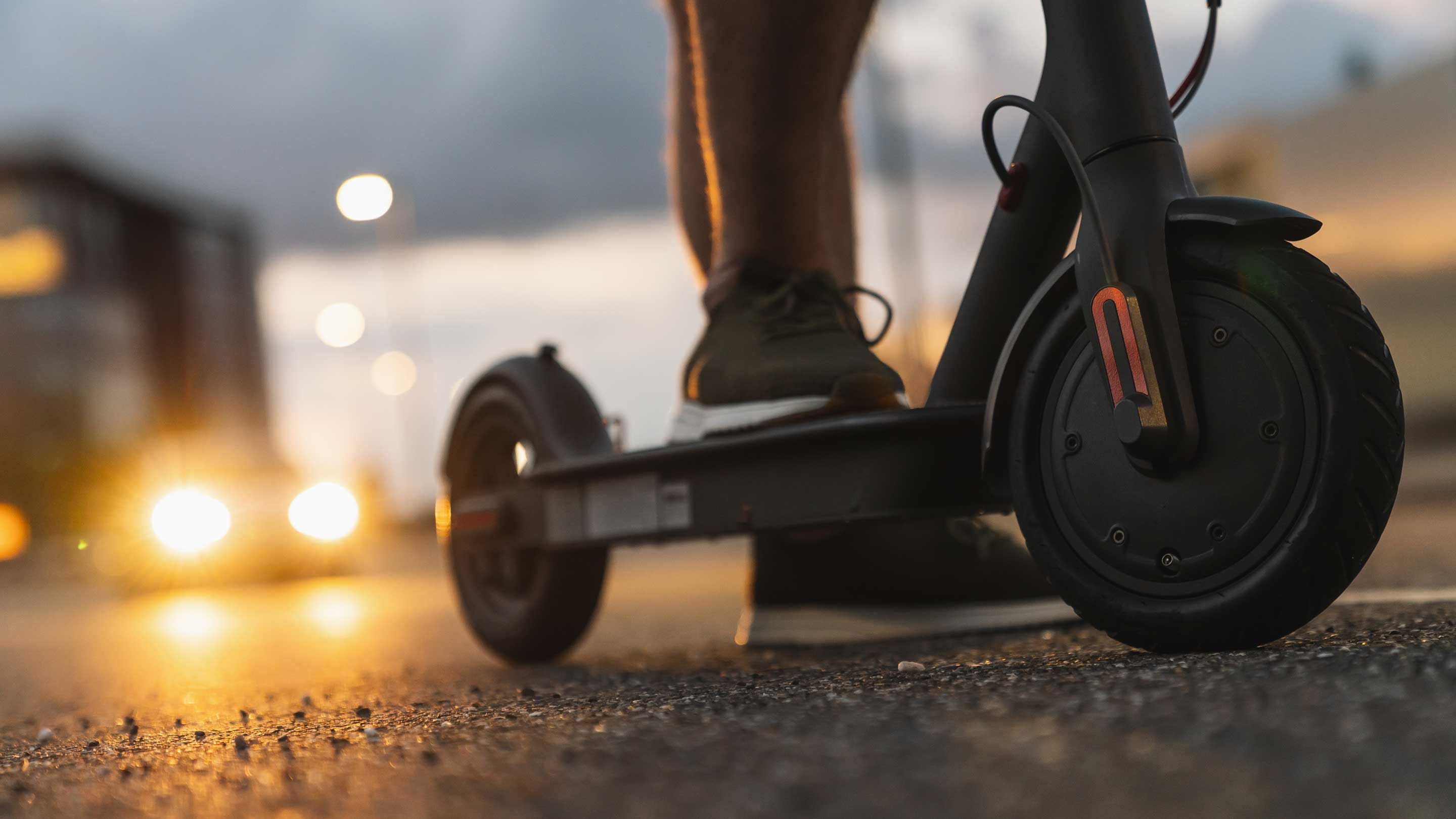
In many cities, electric scooters are filling the “last-mile gap”—helping commuters travel from a bus stop or train station to their final destination. This makes them an excellent partner for public transport rather than a replacement.
Cities are also beginning to adapt by adding bike lanes, scooter parking zones, and charging stations. Governments are realizing that encouraging electric scooters helps reduce traffic jams and lowers harmful emissions.
Global Growth of the Electric Scooter Market
The e-scooter market has exploded in the last few years and continues to grow.
-
Asia: China and India are leading the way, where millions use scooters for daily commutes because they’re cheap and practical.
-
Europe: Cities like Paris, Berlin, and Barcelona have integrated scooter-sharing systems into their transport networks.
-
North America: After the success of scooter-sharing, private ownership has skyrocketed, with people buying scooters for personal use.
Analysts predict that the global market will reach tens of billions of dollars by 2030, showing just how much potential this industry has.
The Challenges Ahead
While e-scooters are promising, they’re not perfect. Some issues still need to be addressed:
-
Safety Risks – Accidents can happen, especially when scooters share roads with cars. Helmets and proper riding rules are essential.
-
Regulations – Different cities have different rules, which can confuse riders. Some ban scooters on sidewalks, while others allow them.
-
Battery Waste – Disposing of old lithium-ion batteries is an environmental concern that needs better recycling solutions.
-
Durability – Shared scooters face heavy daily use, leading to maintenance challenges for service providers.
What’s Next for Electric Scooters?
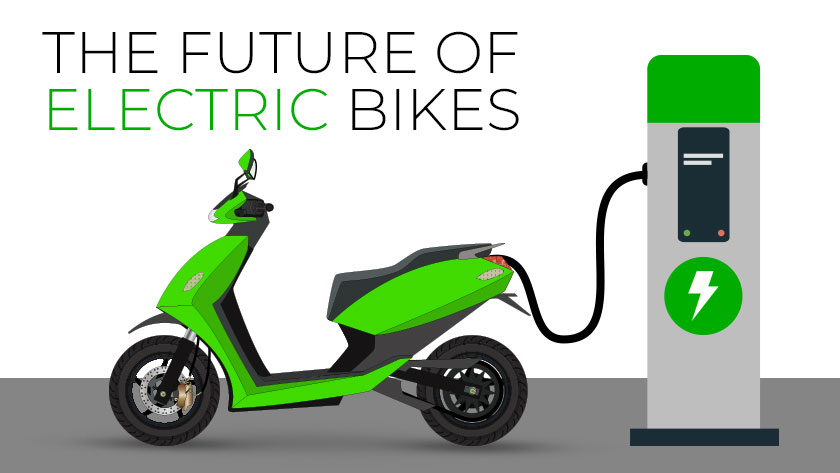
The future looks bright for electric scooters, with several exciting trends on the horizon:
-
Better Range and Speed – Thanks to battery advancements, scooters will be able to travel longer distances.
-
Eco-Friendly Materials – Manufacturers are working on sustainable materials and recyclable parts.
-
Integration with Smart Cities – Scooters will connect with city-wide apps, traffic systems, and public transport for smoother mobility.
-
Improved Infrastructure – Dedicated scooter lanes and more charging stations will make riding safer and more convenient.
Final Thoughts
Electric scooters are more than just a passing trend—they represent a shift in how people think about daily transportation. Affordable, eco-friendly, and convenient, they’re solving real problems for modern commuters. Whether it’s avoiding traffic, saving money, or reducing your carbon footprint, an e-scooter checks all the boxes.
Post a Comment