
The Timeless Allure of Classic Car Models
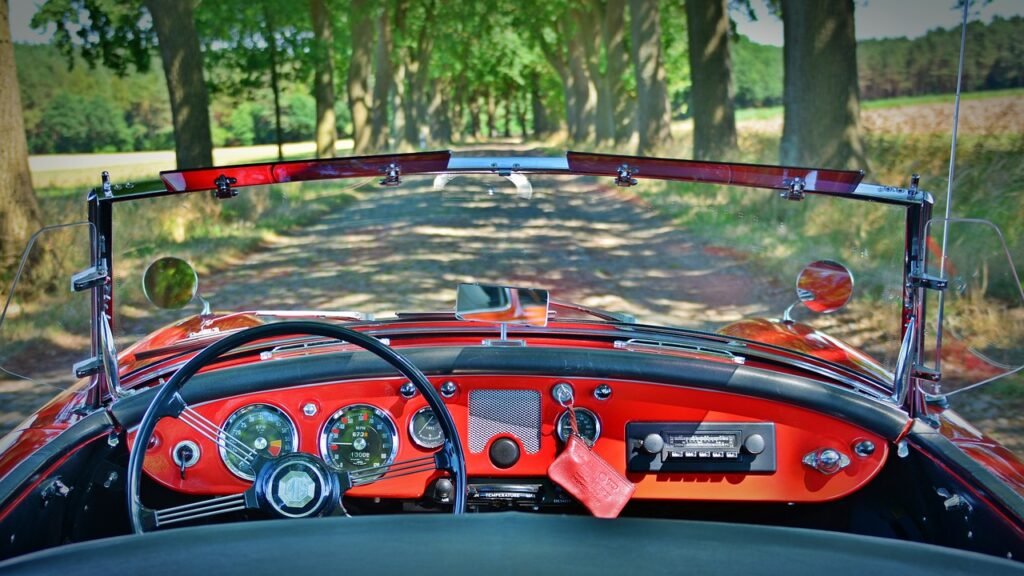
Cars are more than just machines that take us from one place to another. They are symbols of culture, creativity, and the spirit of their times. Among all vehicles, old car models—often called classics or vintage cars—hold a special charm. With their elegant curves, unique details, and hand-crafted designs, these cars remind us of an era when driving was more than convenience; it was an experience filled with pride and personality.
In a world now dominated by electric vehicles, hybrids, and futuristic technology, classic cars remain a bridge to the past. They carry stories of innovation, craftsmanship, and style that still capture the hearts of enthusiasts today. Let’s take a ride back in time and explore why old car models continue to be admired across generations.
The Golden Age of Automobiles
The years between the 1920s and the 1970s are often remembered as the golden age of car making. This was the period when automakers produced vehicles with bold character, striking chrome finishes, and beautifully detailed interiors. Unlike today’s mass-produced designs, cars from this era were built with individuality and long-lasting durability.
Some unforgettable models from this time include:
-
Ford Model T (1908–1927): Known as the car that revolutionized travel, it made driving affordable for ordinary families.
-
Chevrolet Bel Air (1950s): With its colorful paint jobs, chrome trim, and stylish fins, it became a symbol of American prosperity.
-
Mercedes-Benz 300SL Gullwing (1954–1957): Famous for its upward-opening doors, it combined elegance with top-notch performance.
-
Jaguar E-Type (1960s): Widely admired as one of the most beautiful cars ever made, blending speed and style perfectly.
Each of these cars didn’t just serve a purpose—they reflected the identity of an era.
Why Classic Cars Still Matter
Even with today’s advanced technology, old cars continue to hold a unique place in society. Here’s why:
-
Distinctive Designs: Every vintage model had its own character—bold shapes, eye-catching colors, and details you won’t find in modern cars.
-
Memories and Nostalgia: For many people, classic cars remind them of childhood trips, family gatherings, or even their first drive.
-
Craftsmanship: Unlike factory robots of today, older cars were often built by skilled hands using premium materials.
-
Collector’s Value: Some rare classics, like Ferrari 250 GTOs or Shelby Mustangs, are worth millions today.
-
Driving Feel: Modern cars prioritize comfort and automation, but classics offer a raw, hands-on connection between driver and road.
Legends from Around the World

Classic cars emerged from every corner of the globe, each region bringing its own flavor to automotive history.
American Icons
-
Ford Mustang (1964): Represented freedom, youth, and the open road.
-
Cadillac Eldorado (1950s–60s): Luxury on wheels, loaded with chrome and prestige.
-
Chevrolet Corvette (1953): America’s first true sports car that continues to evolve today.
European Elegance
-
Volkswagen Beetle (1938–2003): Affordable, reliable, and beloved across generations.
-
Rolls-Royce Silver Cloud (1955–1966): A masterpiece of luxury and refinement.
-
Porsche 911 (1964–present): A sports car legend with early models now highly sought after.
Japanese Classics
-
Toyota 2000GT (1967): A rare beauty that put Japan on the global sports car map.
-
Datsun 240Z (1970s): Affordable yet stylish, making performance cars accessible worldwide.
Classic Cars in Pop Culture
Old car models haven’t just been admired on the roads—they’ve been immortalized in entertainment.
-
The DeLorean DMC-12 became unforgettable thanks to Back to the Future.
-
James Bond’s Aston Martin DB5 remains one of the most stylish spy cars ever seen.
-
The 1969 Dodge Charger from The Dukes of Hazzard is still recognized by fans today.
These cultural appearances only strengthen the emotional connection people feel toward classic vehicles.
The Reality of Owning Classics
While many dream of owning a vintage car, it does come with challenges:
-
High Maintenance Costs: Finding authentic parts and expert mechanics can be difficult.
-
Poor Fuel Economy: Old engines weren’t designed for efficiency, so they consume more fuel.
-
Limited Safety Features: Airbags, ABS, and advanced brakes were rare in older models.
-
Storage Needs: Classics need proper garages and care to prevent rust and wear.
Yet, for passionate collectors, the joy of restoring and driving a classic far outweighs these difficulties.
Communities and Car Shows
Around the world, classic car shows attract thousands of enthusiasts. Events like the Pebble Beach Concours d’Elegance in California or the Goodwood Festival of Speed in the UK celebrate these timeless vehicles.
In countries like Pakistan and India, vintage car rallies bring owners together, where restored beauties like old Mercedes, Rolls-Royces, and Mustangs are proudly displayed. These events not only showcase craftsmanship but also inspire younger generations to value automotive heritage.
Blending Old with New

As the automotive industry shifts toward electric vehicles, some wonder what the future holds for old models. Interestingly, many companies now offer restomods—restoring classic cars but fitting them with modern engines, brakes, and technology.
This way, enthusiasts can enjoy the beauty of a vintage car with the comfort and reliability of modern engineering. It ensures that these old models stay relevant even in an era of clean energy and advanced mobility.
Conclusion
Classic cars are more than relics; they are living history. Each one tells a story about its era’s culture, innovation, and dreams. From the raw power of the Mustang to the elegance of a Rolls-Royce, old models represent passion, craftsmanship, and timeless style.
Post a Comment